If It’s Broke, Let’s Fix It: Open Dialogue Between Problem & Opportunity
https://netsl-2024-zi4o.glide.page/dl/245b4e
Thanks to our generous sponsor!
Keynote
This year’s keynote panel serves as an excellent example of how librarians raise questions, problem-solve, and effectively turn challenges into opportunities all in an effort to create and improve access and discovery.
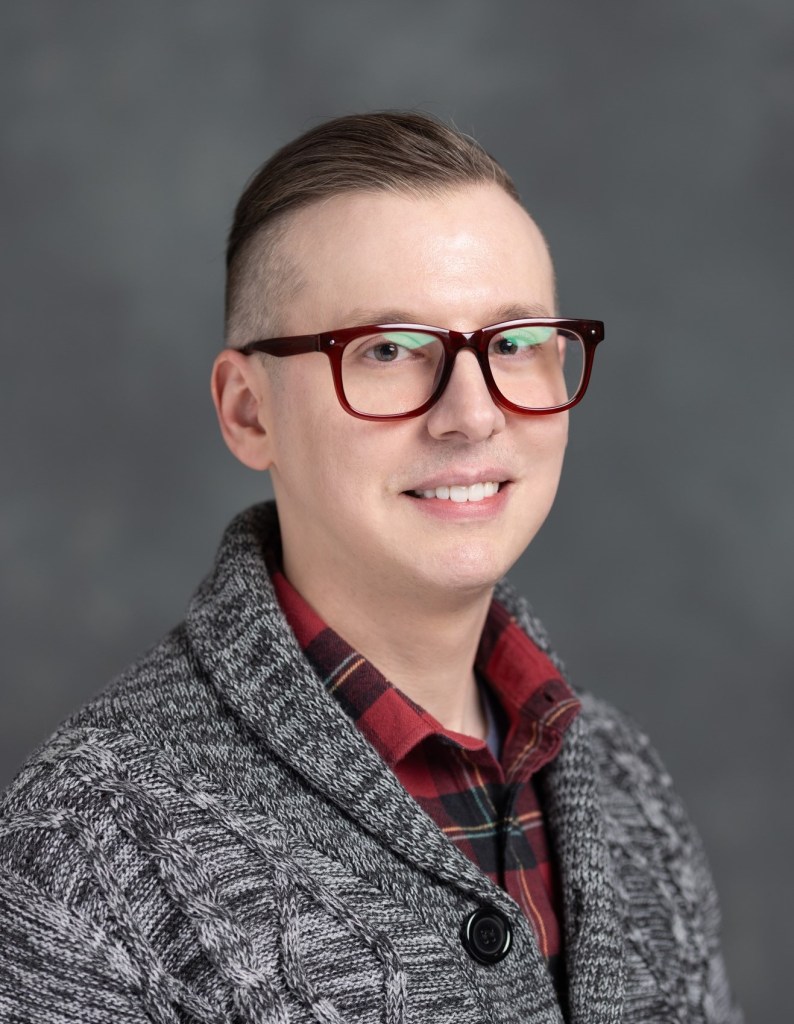
Brian Dobreski
Brian is an Assistant Professor in the School of Information Sciences at University of Tennessee-Knoxville. His research focuses on the practices and implications of knowledge and information organization, as well as the concepts of personhood and personal identity in information.
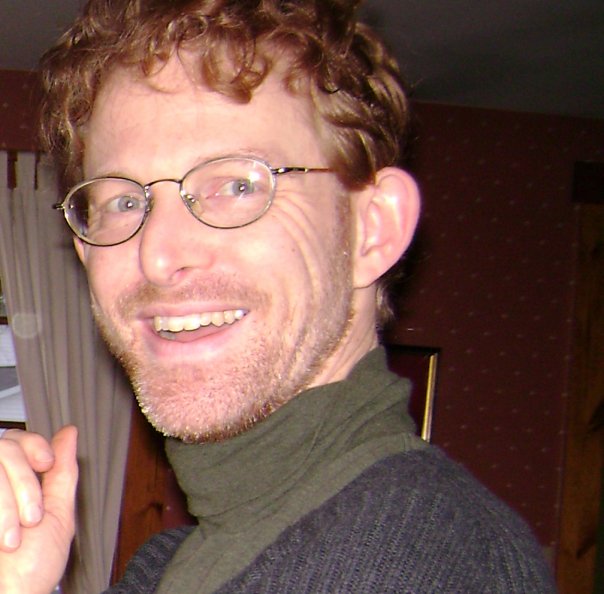
Jeff Edmunds
Jeff is Digital Access Coordinator at the Penn State University Libraries, where he has worked for more than thirty years. Since 2017, he has been an outspoken critic of BIBFRAME.
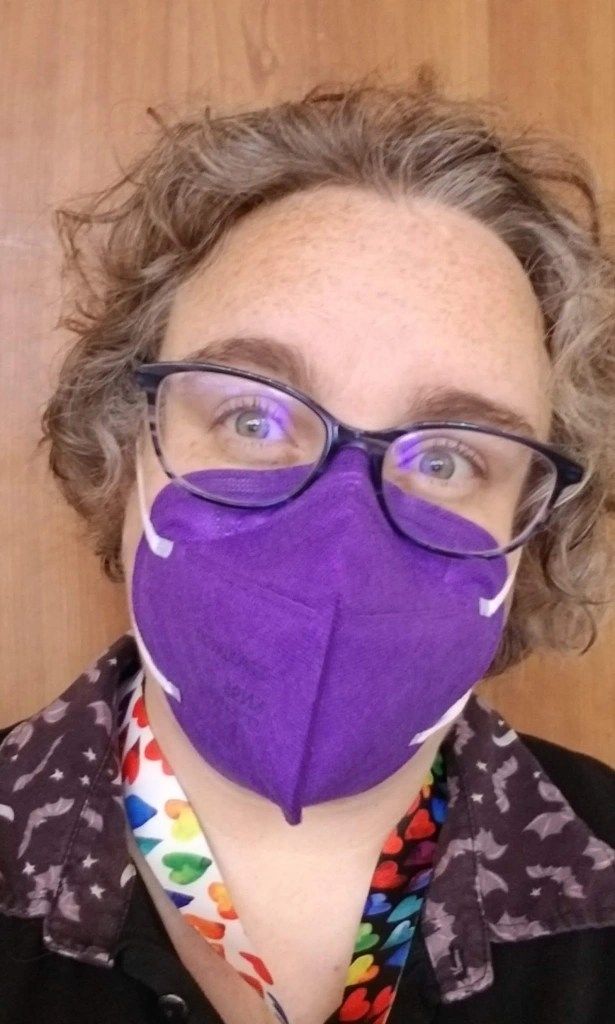
Violet Fox
Violet is a Cataloging & Metadata Librarian at Northwestern University’s Galter Health Sciences Library. She is the creator of the Cataloging Lab, a wiki designed to promote collaboration in library metadata. Violet is passionate about critical cataloging, zine librarianship, and promoting the mental health of library workers.
Roundtables
Migration – moderated by Judy Njoroge, Cason Snow
Planning a migration? Have you experienced a migration and have advice for Libraries facing those challenges? Migrations can be the source of many problems from choosing the right system for you and your users, to moving local data, to training and dealing with massive change. Come discuss with your colleagues what works and what does not when migrating.
Improving Access to Collections – moderated by Joanna Fuchs, Robin Goodfellow (Puck) Malamud
Do you have questions about how to improve access to library material? Should you retain all the foreign language Subject Headings? Is it worth the time to correct terrible records that can come in via bulk loads? What are libraries doing with headings like “Indians of North America” before LC makes an official change? Come discuss problems and solutions with your colleagues.
Breakout Sessions
Alternative Cataloging: Moving Beyond Dewey – by Caitlin Staples
Discussion of the Westborough Public Library’s transition from using the Dewey Decimal System to a Dewey Hybrid model and ultimately, a full word based cataloging system to increase user access and browsability.
Circular Logic: Technical Solutions to Circulation Challenges – by Chris Amorosi
Sometimes the role of technical services and circulation when it comes to dealing with library items is treated as mutually exclusive, where tech only handles them when they’re new and old and circulation is responsible for the rest of their lifespan, but many problems and issues are solved by encouraging a complementary approach. This talk will discuss three projects I completed as a tech services librarian that make the case for a continual involvement between technical services and circulation: completing a collection inventory, dealing with improperly booked museum passes, and ensuring item completeness.
Lightning Talks
Turning Notes into Narratives: A Journey From Side Project to Vital Library Role – by Lisa Campbell
The University of West Florida library received a large donation of music (CDs, record albums, music scores) from several private donors and our university radio station years ago. It has been a low-priority project to catalog, digitize, and make the music available for streaming for our students and faculty. With limited staff and time, we have not been able to do much work on this project. Due to a recent additional large influx of materials from the UWF Music department, we have restructured our TS department to include a new position that leads the cataloging and digitization of these collections.
Amplifying voices with metadata : lessons learned while working with a digitized DEI archival collection – by Lisa Longenecker
After receiving a grant to digitize an important local history archival collection, I embarked on a journey to tell the story of the first integrated hospital in Cleveland, Ohio using descriptive metadata. With minimal information available in finding aids, I began to analyze each folder of the collection to determine how I could amplify the voices of the Black community leaders who dedicated their lives to improving access to quality inner-city healthcare and providing employment opportunities and medical training for BIPOC medical staff in the Cleveland area. In this presentation, I will share my experience creating metadata for the Forest City Hospital collection and offer practical tips that future metadata specialists can use when working on a collaborative digitization project with an affiliated library/museum.
Unlocking Hidden Treasures: The Cary Collection of Playing Cards – by Danijela Matković
This lightning talk will discuss the challenges and opportunities of providing improved access to an underutilized collection containing a resource format that is not broadly held and collected by libraries and archives.
“There’s Something Weird Happening with This Book:” How Inventory & Shelf-Reading Reveal Hidden Library Content at Westfield State – by Becca Brody, Lori Carrier
In Spring 2023, Westfield State University began a long-overdue inventory and improved shelf-reading program using OCLC’s Digby App. This talk will focus on the ways this project has improved access to collections, revealed evidence of outdated workflows and cataloging practices, and improved the flow of communications between Technical and Access Services.
Discard without distress: weeding a massive collection of misshelved items using Alma Analytics – by Yoko Ferguson
While moving to a new, renovated library is exciting, it often comes with a loss of space, resulting in a massive weeding or relocation of the existing collections. This process takes time and could be even more complicated if the collections are spread into several temporary locations or items are randomly shelved by the moving vendors during the move. In this talk, a metadata librarian who inherited such unique collections will share their workarounds where they utilized Alma Analytics to streamline their evaluation and discard process without distress.
Streaming Video Acquisitions: Cost Effectiveness and Alternative Acquisition Models – by Kimberly Kennedy, Abigail Streeter
This presentation evaluates the cost-per-use for streaming video titles purchased at Stony Brook University and the cost effectiveness of a patron-driven acquisitions program. It also provides a comparison of streaming videos to acquisitions of more traditional library formats.
Reimagining Access to Indigenous Resources: UConn Law Library’s Journey Toward Inclusivity – by Susanna French
In 2023, I overhauled the UConn Law Library’s collection of materials about indigenous North American peoples. This included redoing call numbers to make them more accessible to patrons and reflective of their content, as well as changing subject headings to be more inclusive.
Creating an open-source solution to record library door traffic counts – by Damith Perera
In light of the COVID-19 pandemic, the Oklahoma State University (OSU) Libraries responded by creating an open-source application aimed at enhancing the tracking of visitor door counts. This initiative serves to provide both users and administration with up-to-date insights into the library’s physical building capacity. Despite the availability of various vendor solutions, OSU opted to develop the application internally, leveraging cost-effectiveness and rapid implementation to swiftly address the pressing need. Since its launch in 2020, this application has streamlined a previously manual process, transitioning it to a semi-automated system, thereby enhancing efficiency and response capabilities.
Experimenting with AI large language models (LLM’s) to facilitate cataloging at the Harvard Library – by Dan Belich, Sean Cashel Bustard Berthold
A brief presentation on an initiative conducted by staff of Harvard Library to experiment with the use of AI LLM’s (large language models) to facilitate cataloging a large backlog. The scope of use of the selected AI LLM’s was limited to identifying the subject matter of the titles involved, and to suggest LCSH, FAST headings, and LC classification numbers.
 New England Technical Services Librarians (NETSL)